Cebu Equipment and Machinery Appraisal & Valuation Experts

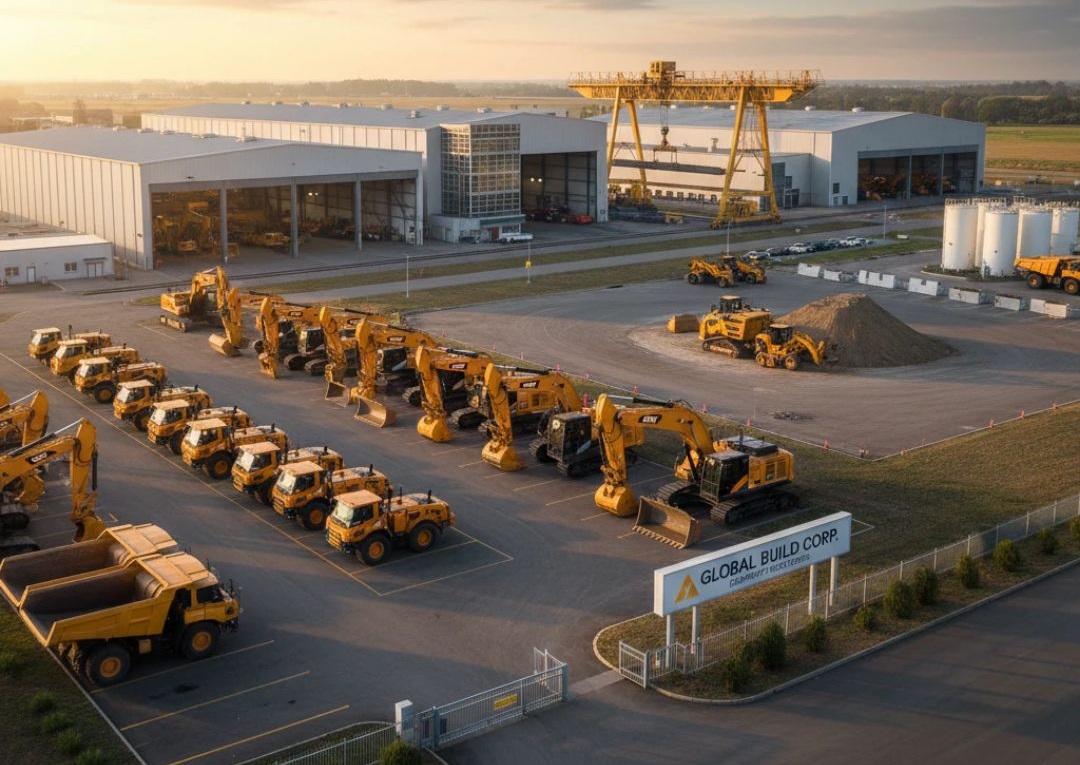
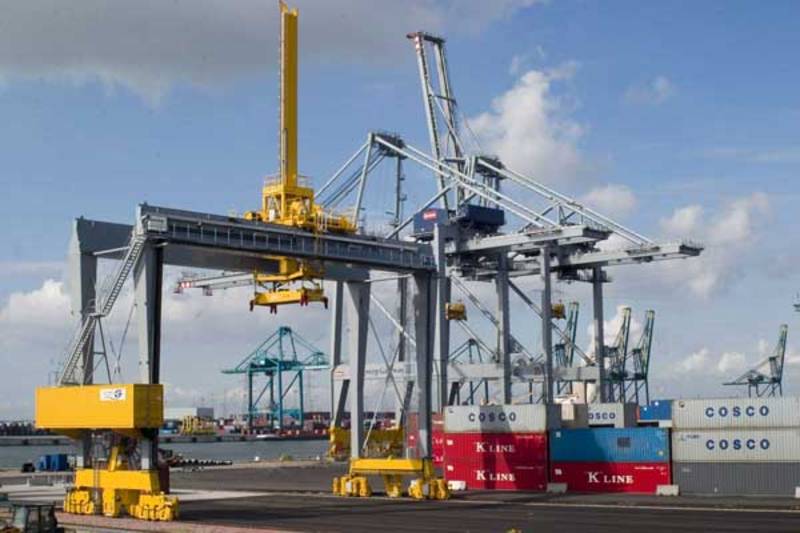
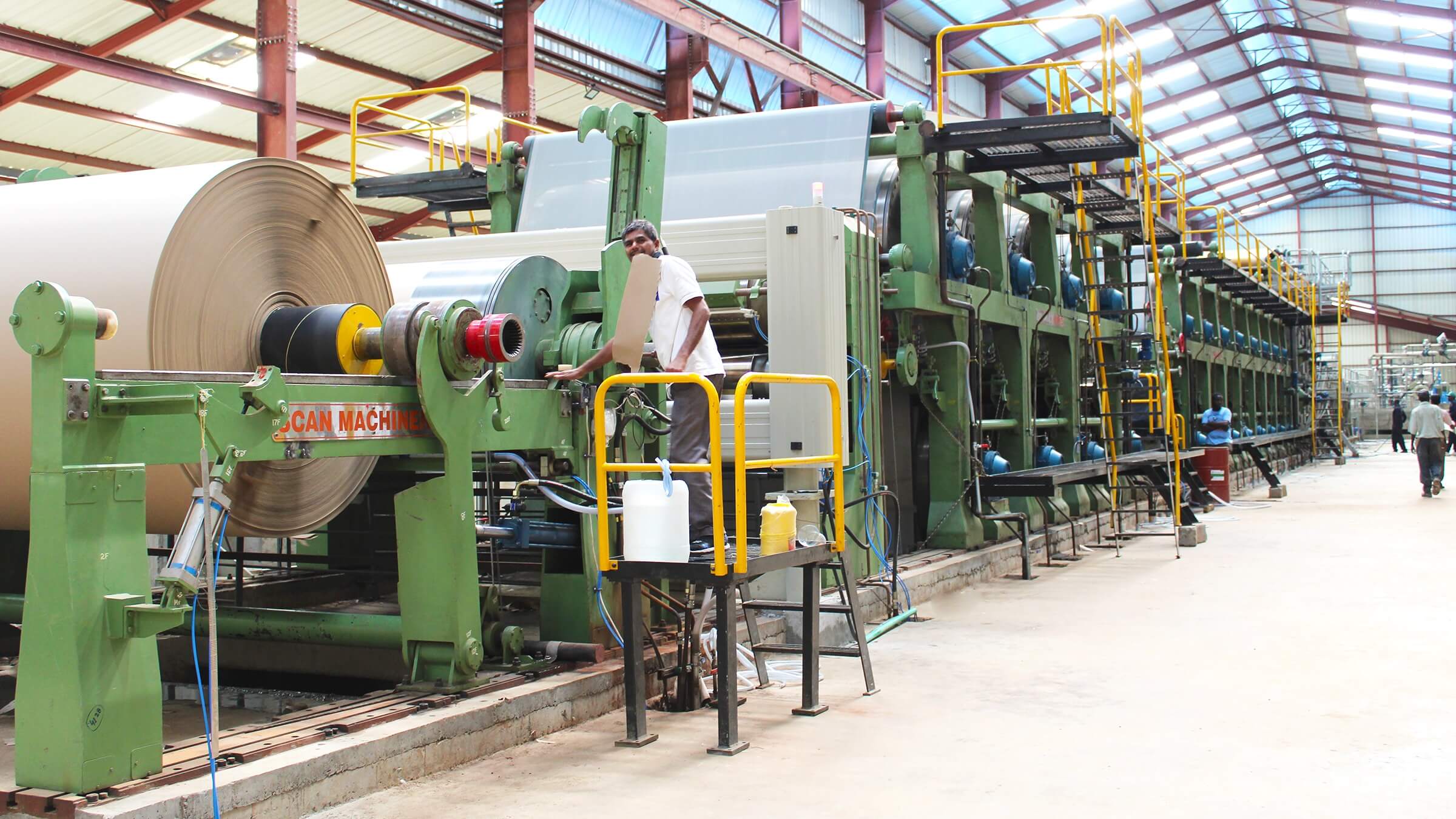
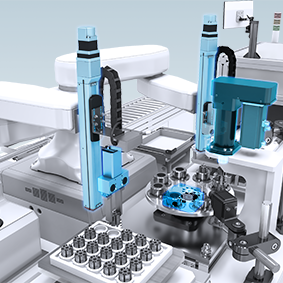
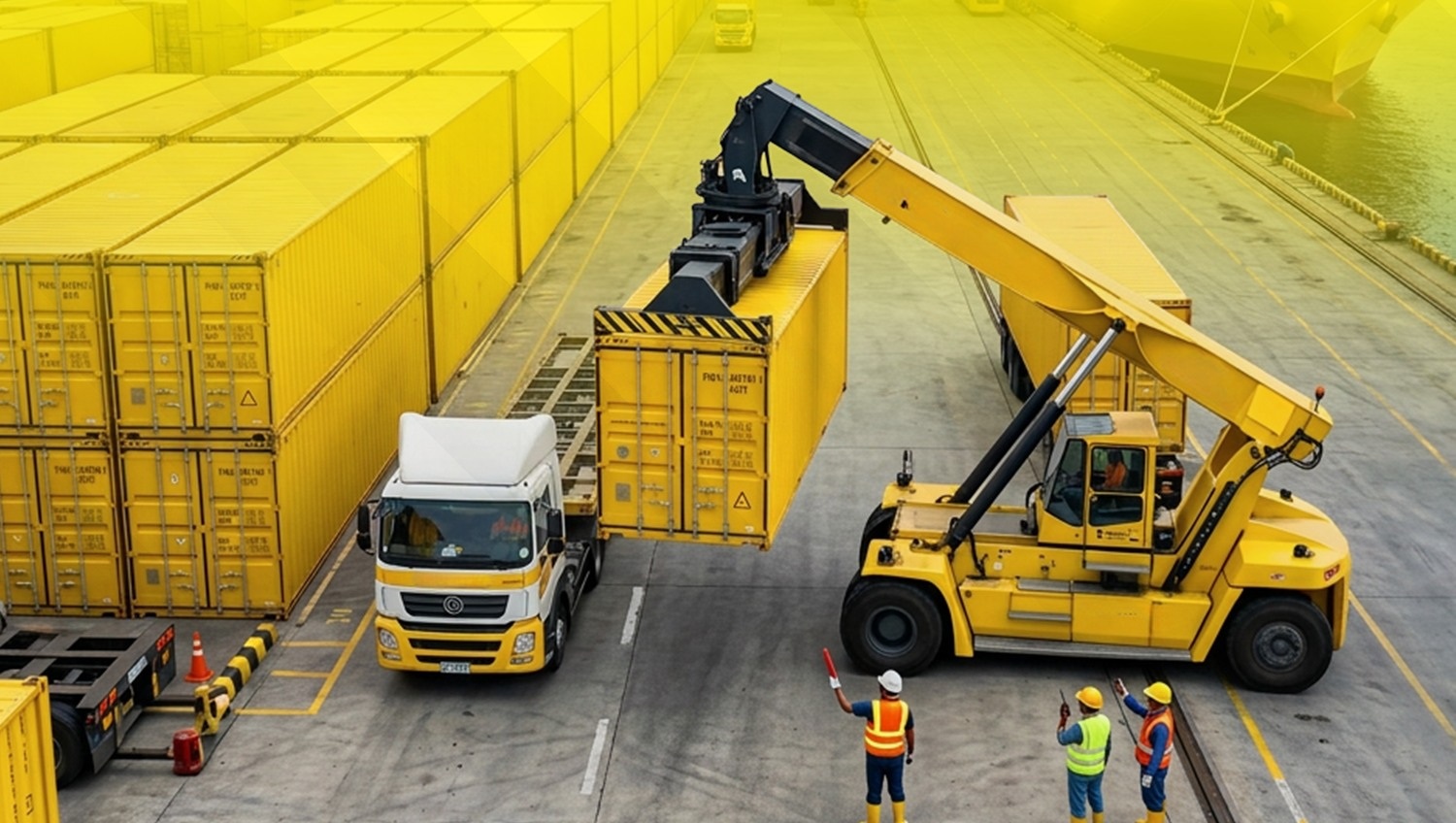
From Construction Facilities to Construction Heavy Equipments, Plants, Manufacturing Plants and Factories in Cebu


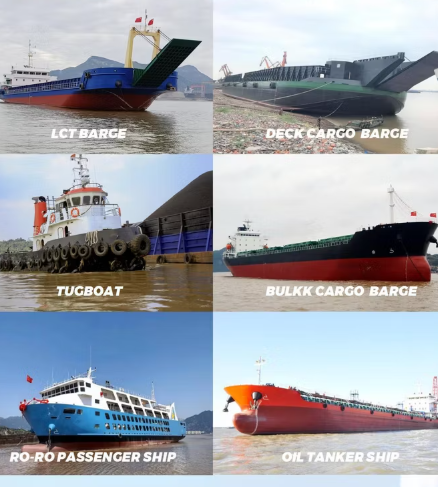
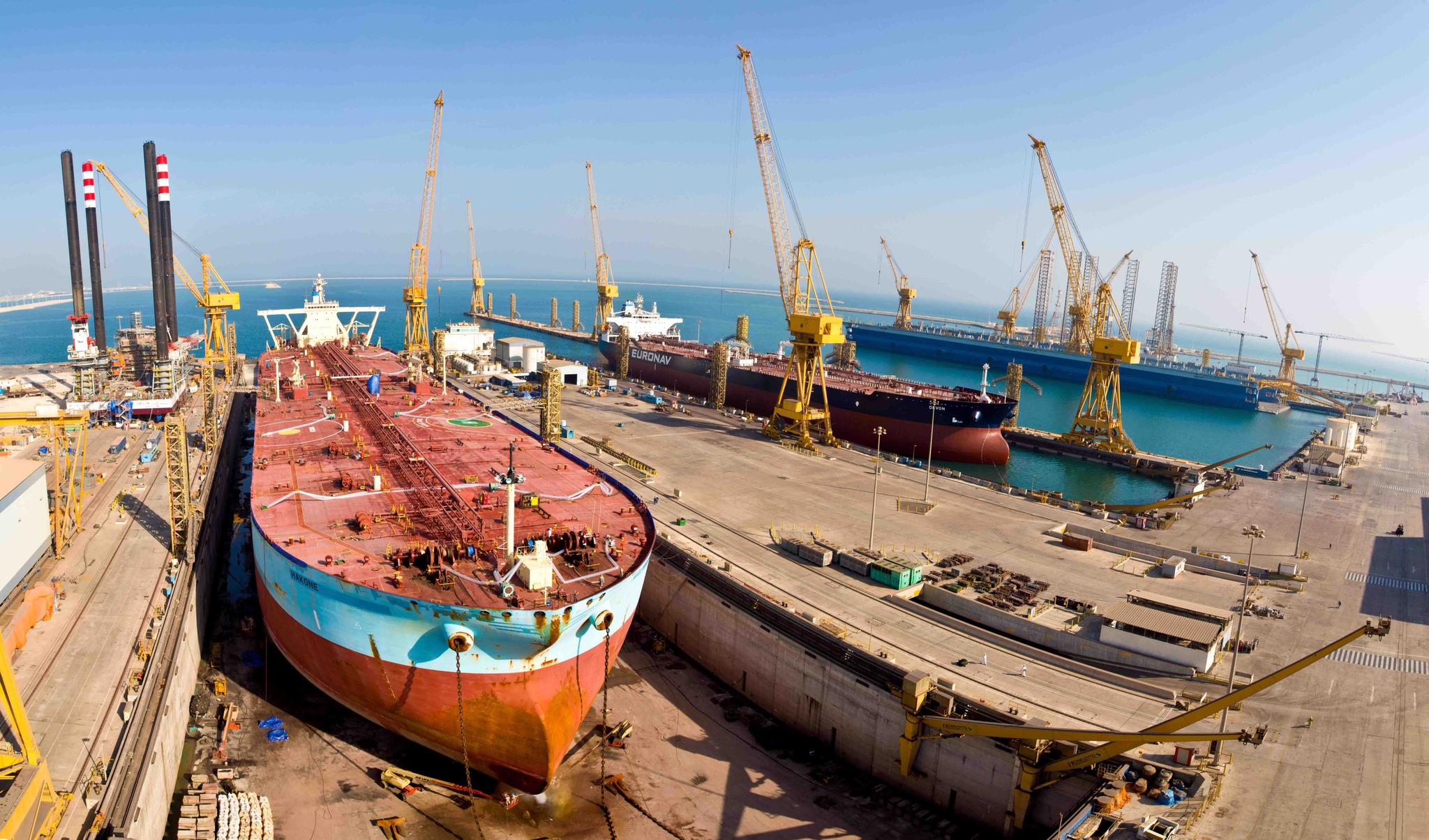
Ships, Barges, Bulk Carriers, Yachts, Tugboats etc.


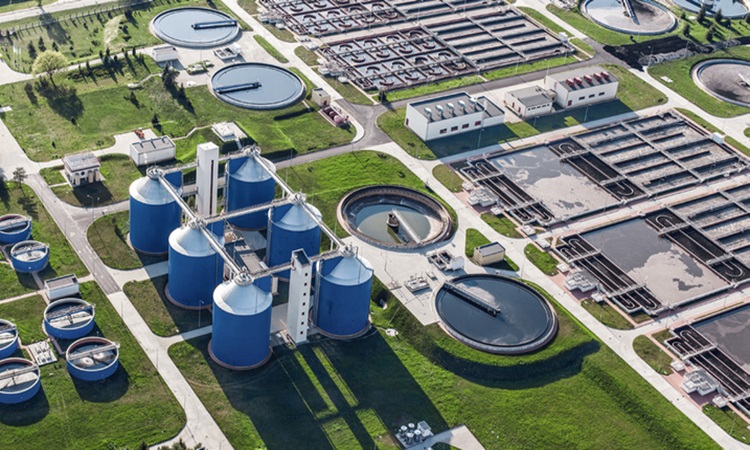
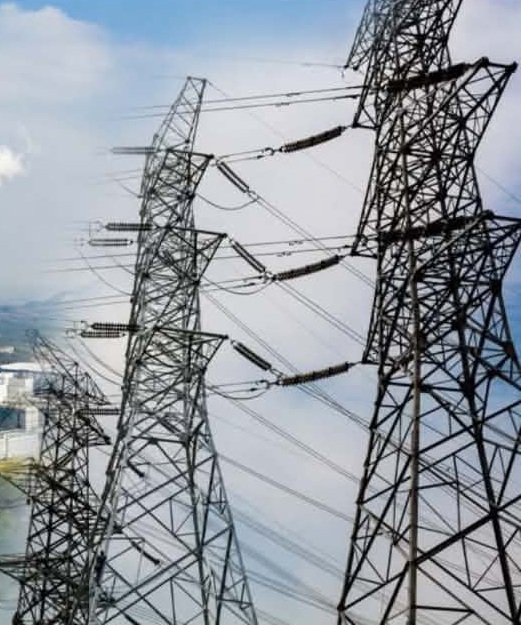
Diesel Plant, Coal Plant, Geothermal, LNG Plant and Hydro-Electric Plants










appraisalphils@gmail.com

Radisson Blu Executive Lounge
Serging Osmena Boulevard, Cebu City, Philippines
Our dedicated team is here to provide you with comprehensive machinery and equipment valuation services. We ensure that every project is meticulously researched, delivering detailed reports that highlight our methodologies and itemized asset evaluations.
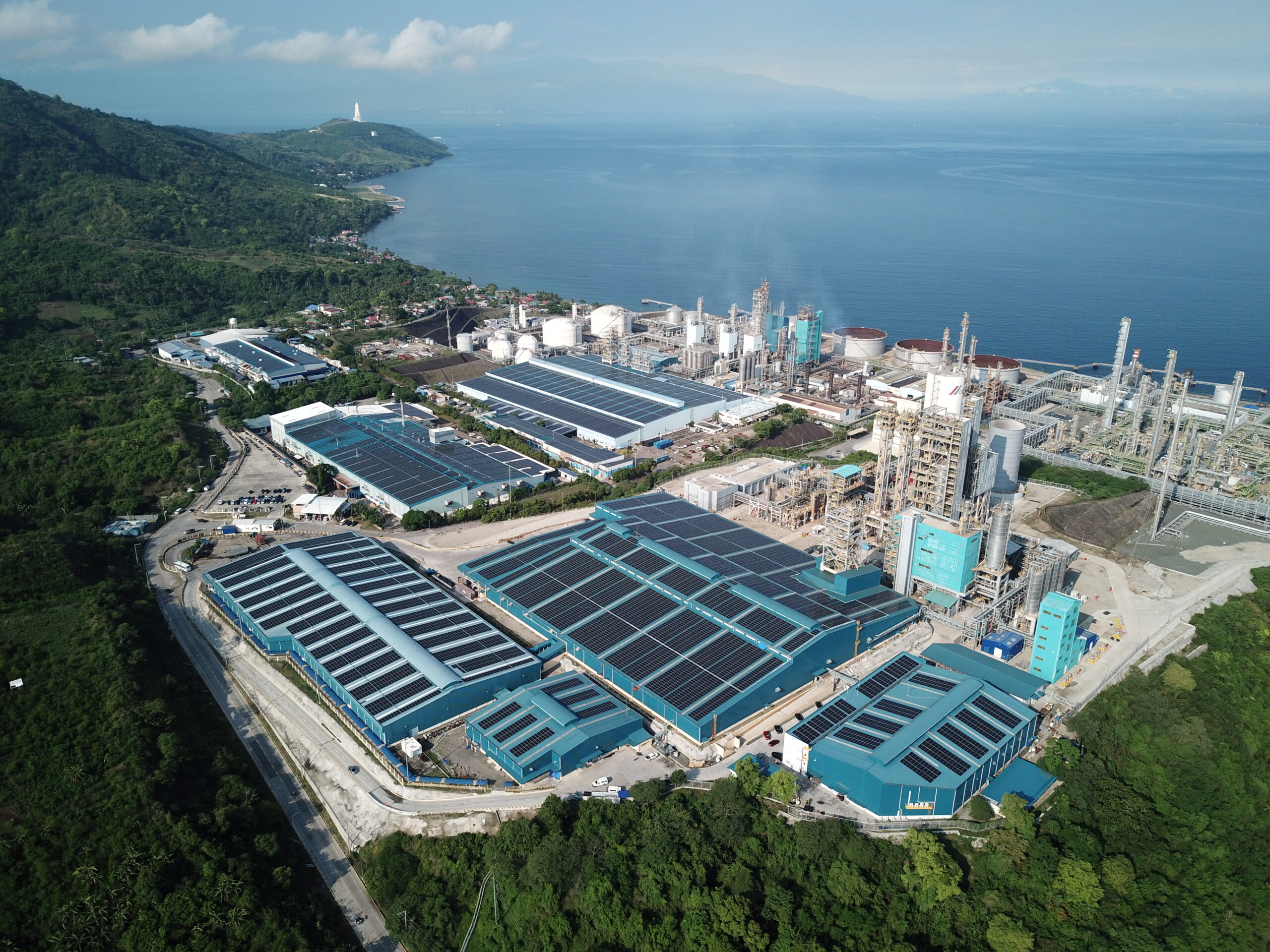
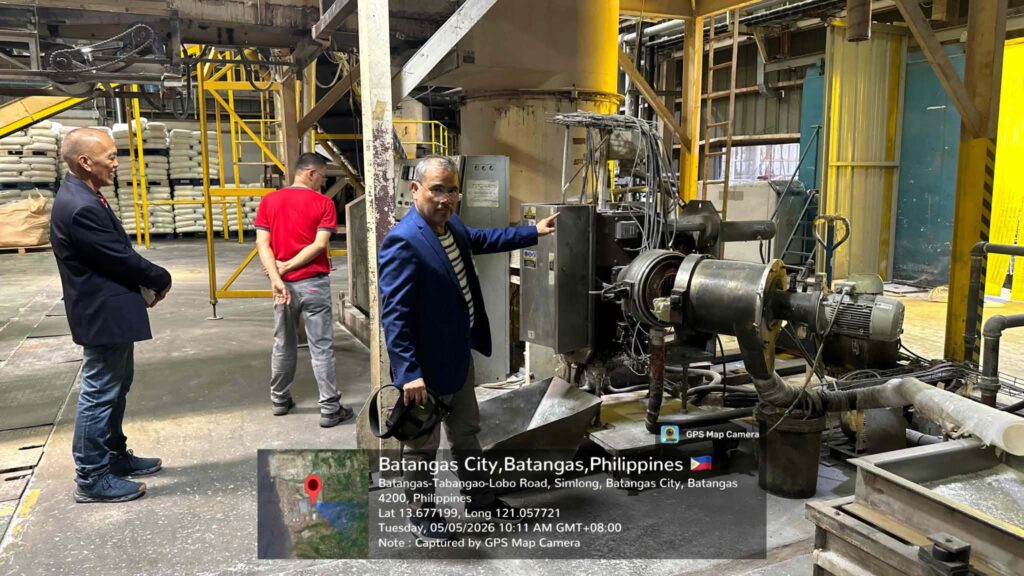
In May 2026, we have conducted appraisal and valuation of the Philippines’ First and Only Biaxially Oriented Polypropylene (BOPP) Plant and Machinery of Universal Robina Corporation (URC) at the JG Summit – Olefins Corporation Petro-Chemical Complex at Batangas City, Philippines
real estate appraisal, equipment and machinery valuation as well as business valuations.
Yes we do..
>> Residential Buildings (Apartment, Condominium, Dormitory, House)
>> Commercial Buildings (Bank, Franchise Outlet, Gasoline Station, Office Building, Shopping Mall, Warehouse)
>> Educational Buildings (School, Museum, Theater)
>> Industrial Buildings (Manufacturing Plant, Brewery, Factory, Power Plant)
>> Religious Buildings (Church Mosque, Monastery)
>> Transit Station (Aircraft Terminal, Bus Station, Ferry/Ship)
>> Medical Buildings (Hospital, Medical and Dental Building)
Yes, we do
>> Asset Management
>> Verification of Accounts
>> Capital Cost Control
>> Capital Facilities Replacement
>> Condition Surveys
>> Electronic Data Processing Property Records
>> Pre-merger or Pre-acquisition
>> Special Analysis for remaining Economic Life
Yes, we offer management services
>> Highest and Best Use
>> Market Studies
>> Project Feasibility Studies
>> Socio-Economic Studies
>> Technical Due Diligence
>> Asset Inventory Labeling and Reconciliation
>> Geodetic and Relocation Survey
>> Project financial audita
yes we do business valuation as enumerated below:
We operate in cebu city and nearby cities and provinces
Equipment appraisal (also called equipment valuation) is the process of determining the value of equipment, machinery, or other tangible property or assets.
An equipment appraisal is an essential tool of business and financial management. It can help companies and individuals working across a wide variety of industries make informed decisions about buying, selling, or investing in equipment. It can also be used to secure insurance coverage, lower tax burdens, facilitate estate planning, and assist with legal proceedings.
When conducted appropriately, an equipment appraisal considers all characteristics of the equipment—such as its make, model, age, condition, operating hours, specifications, and modifications—and compares these against market conditions like supply, demand, location, replacement cost, and obsolescence.
This rigorous process yields the most accurate possible picture of the equipment’s true and current value.
Equipment appraisal is the process of determining the value of equipment or machinery for various purposes, including taxation, insurance, litigation, and financial reporting. There are several methods of equipment appraisal that are commonly used.
In this post, we will discuss the five most common methods of equipment appraisal.

The cost approach is a method of equipment appraisal that estimates the cost of replacing the piece of equipment with a new one. It involves evaluating the current market value of the equipment and adjusting it for depreciation.
The cost approach is most commonly used for equipment that is relatively new and has not undergone significant wear and tear. The cost approach is particularly useful when appraising specialized equipment that is difficult to find on the market.

The income approach is a method of equipment appraisal that estimates the future income generated by the equipment. This approach is particularly useful for equipment that generates revenue, such as production machinery or rental equipment.
The income approach takes into account the net income generated by the equipment, as well as any expenses associated with operating and maintaining it.

The market approach is a method of equipment appraisal that estimates the value of the equipment based on its market value. This approach involves looking at the prices of similar equipment in the market and adjusting the value for any differences between the two.
The market approach is particularly useful for equipment that is commonly bought and sold on the market.

The comparative sales approach is a method of equipment appraisal that involves comparing the equipment to similar equipment that has recently been sold. This approach takes into account the condition, age, and other relevant factors of the equipment.
The comparative sales approach is particularly useful for equipment that is commonly bought and sold on the market.

Depreciation is a method of equipment appraisal that estimates the value of the equipment based on its age and condition. This approach involves taking into account the equipment’s useful life and any wear and tear it has undergone.
Depreciation can be calculated using several methods, including straight-line depreciation, declining balance depreciation, and sum-of-the-years-digits depreciation.

In conclusion, there are several methods of equipment appraisal that can be used to determine the value of equipment or machinery. The cost approach, income approach, market approach, comparative sales approach, and depreciation are the most common methods used in equipment appraisal.
Each method has its own strengths and weaknesses, and the choice of method depends on the type of equipment being appraised and the purpose of the appraisal.